
HEAD LICE: SOLVING ‘NIT-PICKY’ PEDICULUS CAPITIS
Faculty:
Anna Shurtleff Smith, MPH, BSN-RN
Anna Shurtleff Smith is a graduate of the University of North Texas Health Science Center, School of Public Health with a community health focus, and Texas Tech University School of Nursing. She has clinical experience in both inpatient and outpatient settings. Anna is passionate about patient education, health literacy, and health communications. When not writing, she can be found enjoying the outdoors and enjoying family time.
Pamela Sardo, PharmD, BS
Pamela Sardo, PharmD, BS, is a freelance medical writer and licensed pharmacist. She is the founder and principal at Sardo Solutions in Texas. Pam received her BS from the University of Connecticut and her PharmD from the University of Rhode Island. Pam’s career spans many years in retail, clinics, hospitals, long-term care, Veterans Affairs, and managed health care responsibilities across a broad range of therapeutic classes and disease states.
Abstract
Infestation with head lice is a common problem. The stigma associated with head lice (pediculus humanus capitis) often results in significant social and financial burdens. Healthcare professionals often collaborate on head lice to educate the public, enhance self-care opportunities, and dispel prevalent myths. Comprehensive training is essential to equip these professionals with the knowledge of proper diagnosis, prevention of misdiagnosis, and treatment protocols, which are vital for addressing patient needs and preventing re-infestation. The topic will discuss how to accurately differentiate head lice from other scalp conditions. Approaches to precise diagnosis and treatment will be discussed, and interprofessional team communication will be mentioned. This module will also cover diverse strategies for reassuring patients, mitigating resistance, and providing attendees with up-to-date information to combat head lice infestations.
Accreditation Statements
In support of improving patient care, RxCe.com LLC is jointly accredited by the Accreditation CouncilTM for Continuing Medical Education (ACCME®), the Accreditation Council for Pharmacy Education (ACPE®), and the American Nurses Credentialing Center (ANCC®), to provide continuing education for the healthcare team.

Joint Universal Activity Number: The Joint Accreditation Universal Activity Numbers assigned to this activity are as follows:
Pharmacists: JA4008424-0000-26-157-H01-P
Pharmacy Technicians: JA4008424-0000-26-157-H01-T
Credits: 2 contact hour(s) (0.2 CEU(s)) of continuing education credit.
Credit Types:
Pharmacy - 2 Credits
Type of Activity: Knowledge
Media: Computer-Based Training (i.e., online courses)
Estimated time to complete activity: 2 contact hour(s) (0.2 CEU(s)), including Activity Pre-Test, Post-Test, and Activity Evaluation.
Release Date: July 11, 2026 Expiration Date: July 11, 2028
Target Audience: This educational activity is for Pharmacists and Pharmacy Technicians
How to Earn Credit: From July 11, 2026, through July 11, 2028, participants must:
Read the “learning objectives” and “author and planning team disclosures;”
Take the “Educational Activity Pre-Test;”
Study the section entitled “Educational Activity;” and
Complete the Educational Activity Post-Test and Activity Evaluation. The Educational Activity Post-Test will be graded automatically. Following successful completion of the Educational Activity Post-Test with a score of 70% or higher, a statement of participation will be made available immediately. (No partial credit will be given.)
CE Credits: Credits for this course will be uploaded to CPE Monitor® for pharmacists and pharmacy technicians.
Statement of Need
Infestation with head lice is a common problem. This course provides needed information on identifying and dispelling common myths about head lice, distinguishing head lice from other scalp conditions, discussing over-the-counter and FDA-approved treatments, and recognizing resistance management strategies for head lice.
Learning Objectives: Upon completion of this educational activity, participants should be able to:
Identify and Dispel at least three common myths about head lice
Distinguish head lice from other scalp conditions
Summarize current head lice treatments
Formulate a collaborative multidisciplinary plan of care for a patient with head lice.
Disclosures
The following individuals were involved in planning, developing, and/or authoring this activity: Anna S. Smith, MPH, BSN-RN; and Pamela Sardo, PharmD, BS. None of the individuals involved in developing this activity has a conflict of interest or financial relationships related to the subject matter. There are no financial relationships or commercial or financial support relevant to this activity to report or disclose by RxCe.com or any of the individuals involved in the development of this activity.
© RxCe.com LLC 2026: All rights reserved. No reproduction of all or part of any content herein is allowed without the prior, written permission of RxCe.com LLC.
Educational Activity Pre-Test
Which of the options below is a myth about head lice?
Head lice are not caused by poor hygiene
Pets can spread head lice to humans
Head lice cannot jump or fly
Head lice spread through direct head-to-head contact
What is an effective way to remove head lice?
Over-the-counter dandruff shampoos for those over the age of 1 year
Ivermectin 80 mg tablets if under age 6 years
Shaving the head if over age 60 years
Permethrin if the patient is over the age of 2 months
The important steps to follow after treating a patient for head lice with malathion are
disposing of the patient’s bedding and clothing as biohazardous material, and freezing the malathion treatment.
checking close contacts of the patient for lice and washing toothbrushes.
washing off the treatment after 8-12 hours, and washing the patient’s bedding and clothes used in the two days before the treatment.
checking close contacts for lice and using a hair dryer after applying malathion.
Educational Activity
Head Lice: Solving 'Nit-Picky' Pediculus Capitis
Introduction
Head louse infestations have existed in the human population for thousands of years. This course focuses on improving knowledge by identifying and dispelling common myths about head lice, distinguishing head lice from other scalp conditions, discussing over-the-counter and FDA-approved treatments, and recognizing resistance management strategies for head lice.
Prevalence of Head Louse Infestations
Human head louse infestations have existed for at least 10,000 years.1 Each year, $1 billion is estimated to be spent treating head lice in the United States.2 Head lice infestations can impact individuals physically, financially, and emotionally.
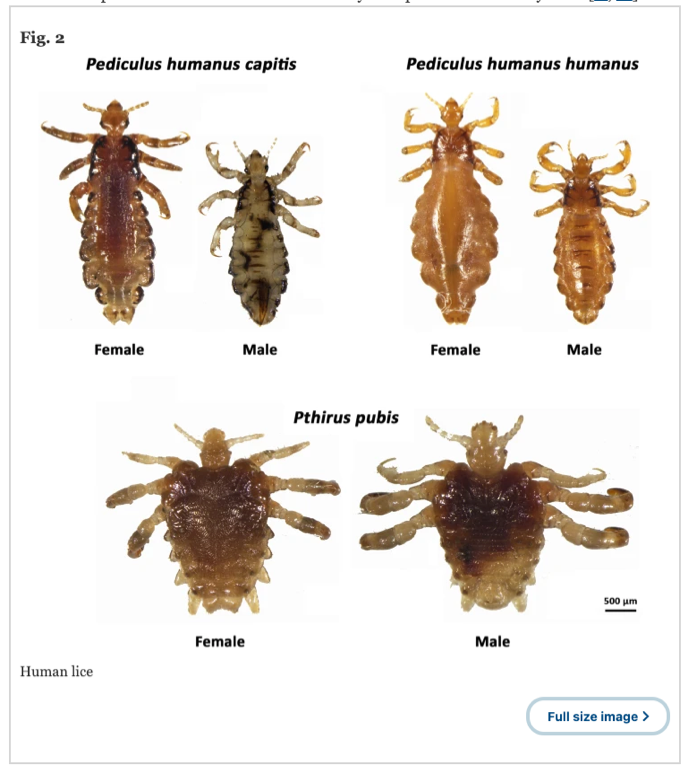
The life cycle of head lice begins with the egg (“nit”) stage, followed by nymphal stages, and then the adult stage.1 The lifecycle of head lice can be observed in Figure 1 below.1 The types of lice are depicted in Figure 2.1
Figure 1
Lifecycle of Head Lice
Figure 2
Types of Lice
Myths, Barriers, And Complications Around Head Lice (Pediculus Humanus Capitis)
Table 1
Myths3,4
| Myth | Fact |
|---|---|
| Poor Hygiene Causes Head Lice | Head lice affect anyone, regardless of hygiene habits. |
| Head Lice Can Jump or Fly | Head lice only crawl; transmission is primarily through head-to-head contact. |
| Pets Can Spread Head Lice | Head lice are human-specific and cannot be transferred from pets. |
| Only Children Get Head Lice | Adults can also get head lice, especially in communal settings. |
Myth: Poor Hygiene Causes Head Lice
Head lice are not a sign of poor hygiene or uncleanliness. They can affect anyone, regardless of how often they wash their hair.3,4 Family involvement in effective early treatment is important to reduce the spread of head lice. Due to this poor hygiene myth, if head lice are discovered by families or individuals with this belief, they are less likely to seek out effective early treatment. This can lead to the spread of the head lice to other family members.3,4
Myth: Head Lice Can Jump or Fly
Head lice remain on the person’s hair and scalp: they cannot jump or fly, they can only crawl; and, head lice do not burrow into the skin. Transmission is primarily through direct head-to-head contact. Many individuals can remember being told to not wear hats or brush with another person’s hairbrush for fear of getting head lice. Research has shown that head lice do not spread outside of direct head-to-head contact.1 However this myth has led to many individuals with a head lice infestation being unfairly isolated from other individuals for fear of spreading head lice.4
Myth: Pets Can Spread Head Lice
Head lice are specific to humans and cannot be transferred between humans and pets.2 3 Belief in this can lead to using treatments for pets on humans to remove the infestation. Veterinarian-formulated medications should NEVER be used on humans.3
Myth: Only Children Get Head Lice
While more common in children, adults can also get head lice, particularly in communal living environments.4
Barriers to Head Lice Treatment and Eradication
There are many barriers to the treatment and eradication of head lice. Infestations can lead to significant stigma, causing affected individuals, especially children, to be excluded from social activities.4 If head lice are diagnosed in a child or adolescent, confidentiality is important to minimize social stigma.4 Stigma may occur if communication inadvertently reveals the affected individual’s identity. In one study, 25.5% of individuals with pediculosis reported being upset, 19.5% felt shame, 9% feared becoming an outcast, and 12.5% feared being mocked.5
.
Misconceptions about head lice and ineffective home remedies can hinder proper treatment and prevention efforts. Caregivers and non-clinicians frequently make the diagnosis of head lice.4 The availability of safe and effective over-the-counter (OTC) pediculicides often removes medical providers from the treatment process.4 Overcoming misconceptions with increased clinician involvement in diagnosis and treatment can reduce the potential for misidentification resulting in improper use of pediculicides or resistance to products.4 Medical providers are optimally positioned to address head lice questions, including requests for alternative approaches that often lack proof of efficacy and safety data.
Misdiagnosis is a barrier and one cause of treatment failure.6 A misdiagnosed itchy rash may be treated with a topically administered steroid, for example, which leads to crusting and diffuse erythema, but no eradication of the head lice.6
Several studies have found that, over the past 40 years, the clinical effectiveness of permethrin and pyrethrins has declined from nearly 100% to as low as 25% in some communities.4 Researchers are exploring the genetics of head lice to determine whether the findings might predict resistance.4
Barriers to access to treatment may be a factor hindering eradication. Limited access to effective treatments and healthcare resources has been reported in low-income and communal settings. War and natural disasters displace populations and disrupt infrastructure and access to medical care.7 These populations may include refugee populations. Infestations are common when there are barriers to basic hygiene, crowded living conditions, or travel. Infestations also can occur in individuals lacking access to regular bathing or laundering.7
Direct and indirect costs for individual patients are important factors to discuss and consider.4 The economic burden of treatment and missed school or work is often significant. Misdiagnosis and unneeded treatment are also economic burdens to the patient. Treatment failure due to misuse of pediculicides or other agents. Resistance can result in high, unexpected costs.8
Complications from Head Lice Infestation
Not all cases of head lice are without complications. Head lice rashes have been reported, which can result in secondary infection with Staphylococcus aureus or streptococci. Hairs can become encrusted and stuck together, and lymph nodes may swell.9 An additional complication is that head lice may appear in eyelashes and need to be eliminated.10
When an infestation is significant,9 pediculosis is a risk factor for iron-deficiency anemia in populations that lack access to regular healthcare.10 One published case reported that a 12-year-old died from an apparent cardiac arrest. The secondary cause of death was listed as severe iron deficiency anemia that had resulted from a massive head lice infestation. The parents were arrested and charged with second-degree murder in addition to cruelty to children in the second-degree.11 Forensic teams have discussed that head lice infestations may serve, in limited situations with other evidence, as a sign of conditions such as mental illness, abuse, neglect, and even rape.11
Medical Team Approaches to Preventing Infestation
Prevention Through Education
Educating families and individuals on the importance of keeping head-to-head contact to the minimum is essential to primary prevention.4,12 However, primary prevention is unlikely to occur. Secondary prevention measures are cleaning bedding, clothing, and personal items that were in contact with the head of the person with infestation two days before treatment in hot water (>130°F) to kill head louse and nits. Do not use pediculicide spray, as any exhaustive cleaning measures are unnecessary.4
Clinical Manifestations
Knowing the clinical manifestations and acting early is an important part of preventing infestation. Itching due to the allergic reaction from the louse’s saliva during the initial infestation is typically the first clinical manifestation. During the initial infestation, this can take four to six weeks; however, in subsequent infestations, the itching can be triggered more quickly, usually within two days. Additional clinical manifestations are an itchy scalp, scratching, crawling sensations, seeing louse, finding lice eggs, swollen lymph nodes in the neck, and pink eye.13
Carefully using a louse comb with sharp teeth is the most effective way to remove the lice and nits. Using a handheld magnification or microscope to distinguish what the item in the hair might be. That differential diagnosis must be explored through the magnification and microscope to avoid misdiagnosis. The most common misdiagnoses are scalp conditions like dandruff or hair debris.7,13
Differential Diagnosis
Identifying the type of lice and its characteristics and differentiating between head lice and body lice are essential to making a proper diagnosis. Proper identification of the adult head louse is important. They are “2–3 mm in length, elongated, flattened dorsoventrally and without wings.”14 Head louse/lice remain their entire lifecycle on the host. This differs from body lice whose lifecycle is mostly in clothing and bedding.1 Frequent head-to-head contact is necessary for the spread of these obligate (cannot survive without a host) ectoparasites (a parasite that lives outside their host).15
Louse types, characteristics, and potential impact are described in Table 2. Table 3 summarizes the differences between head lice and body lice.16-18
Table 2
Characteristics and Potential Impact of Pediculus
| Type of Lice | Characteristics | Impact |
|---|---|---|
| Head Lice (Pediculus humanus capitis)16 | Found on scalp and neck; spread through head-to-head contact; causes itching. | Do not transmit diseases; primarily a nuisance. |
| Body Lice (Pediculus humanus corporis)17 | Reside in clothing seams; known vector for diseases; common in unsanitary conditions. | Transmits diseases like typhus, trench fever, and relapsing fever can be severe in crowded settings (e.g., war, civil unrest, and natural disasters). |
| Pubic Lice (Pthirus pubis)18 | Infest pubic hair; primarily spread through sexual contact; causes itching. | Do not transmit diseases associated with sexual health issues. |
*Note: Lice listed above are NOT public health-required notifiable conditions.
Table 316
Differentiation Between Head and Body Louse
| Characteristic | Head louse | Body louse |
|---|---|---|
| Abdominal indention | More obvious | Less obvious |
| Antenna shape | Shorter and thicker | Longer and thinner |
| 3rd antennal segment | As long as wide | Slightly longer than wide |
| Color (not always reliable) | Darker | Lighter |
| Oviposition site | Base of the hair | On clothing fibers |
| Primarily found | On the human head | On clothing |
Treatments for Head Lice Infestation
Most treatments focus on the adult and nymph stages; however, new research has been focusing on ovicidal (egg/nits) drugs in the past few years.19,20 Treatments include the following:
FDA-Approved Pediculicides: Using approved treatments such as permethrin, pyrethrins, and ivermectin, following specific application guidelines.20,21
Manual Removal: Combining chemical treatments with manual removal of nits using fine-toothed combs.14,20
Alternative Treatments: Considering non-chemical treatments like dimethicone or occlusive agents for those who prefer or require them.20
Treatment of Contacts: Treating close contacts of infested individuals to prevent reinfestation.14
Monitoring for Resistance: Being aware of and testing for resistance to common treatments and switching to alternative treatments if necessary.14,20
Available treatments for head lice, dosage, administration, mechanism of action, limitations of use, and select common adverse effects are summarized in Table 4.4
Table 44,6,10,23-28
Treatments for Head Lice
| Agent | Dosing and Administration* | Mechanism of Action | Common Adverse Events or Limitations |
|---|---|---|---|
| First-Line Treatments | |||
Pyrethrins (with piperonyl butoxide, shampoo) | Wash off after 10 minutes and repeat in 7-10 days Recommended for ≥24 months | Sodium channel blocker, neurotoxic, leads to paralysis and death of head lice | Local irritation, allergy to ingredients |
Permethrin 1% Lotion cream rinse | Lotion is applied to the hair and scalp and left on for 10 minutes to approximately 8 hours, usually overnight, depending on product Wash off after 10 minutes, repeat after 7-10 days Recommended for patients age ≥2 months, and pregnant females | Synthetic, similar to pyrethrins, sodium channel blocker | Local irritation, allergy, evidence of developing resistance |
/// Second-Line Treatments | |||
Malathion 0.5% lotion | Wash off after 8-12 hours Recommended for ≥6 years | Organophosphate; Acetylcholinesterase inhibitor, leads to spastic paralysis and death of head lice | Scalp dryness, local irritation, dandruff, chemical conjunctivitis if contact with eyes, unappealing odor |
Ivermectin 0.5% lotion 3 mg tablets | Use only the amount needed to completely cover the hair and scalp, leave on for 10 minutes, and rinse with only water Recommended for ≥6 months Oral: 200 µg/kg, repeat after 7 days. Recommended for any age if weight ≥15 kg In severe cases, 400 µg/kg, repeat after 7 days | Binds chloride ion channels in muscle and nerve cells and results in hyperpolarization of the cell, leading to paralysis and death of head lice | Kills nymphs and lice, but not eggs. Neurotoxicity risk? Not FDA- approved for this use and not labeled for use in children < 15 kg (33 lb) |
| Other Treatments | |||
Ivermectin 0.5% lotion (topical) | Apply to suspected and remove nits (combing, using tweezers). Reapply after 7-10 days. | Increases chloride in muscle cells, causing hyperpolarization and paralysis of head lice | Burning, scalp irritation, dandruff |
Benzoyl benzoate Lotion 25% | Apply to suspected and remove nits (combing, using tweezers). Reapply after 7-10 days. | The mechanism is not fully known, but it is believed to be absorption and impact on the nervous system of head lice | Blisters, crusting, itching |
| Trimethoprim/ sulfamethoxazole | Kills essential bacteria in the lice's gastrointestinal tract | Blocks two consecutive steps in the biosynthesis of nucleic acids and proteins of head lice | Frequent allergic reactions and treatment failure Not toxic to the louse |
| Fine combs | Physical combing or electronic combing | Manual removal | 38% limited efficacy alone, repeat treatment often required |
Spinosad 0.9% suspension | Apply directly to dry hair and scalp one time only. Leave in for 10 minutes. Recommended for ≥6 months | Provokes hyperexcitation, causing paralysis and death of head lice | Application site erythema and ocular erythema |
Patient Case Study
A healthy, 9-year-old girl presented with abdominal pain and loose stools in the preceding week.29 Laboratory investigations showed significant eosinophilia. Investigating common causes of eosinophilia did not identify a cause. Her vital signs were normal. Her blood pressure was 100/50 mmHg, and her temperature was 98oF).29 A physical examination and history revealed a persistent scalp infestation with head lice. Successful management of pediculosis with two applications of an anti-lice lotion coincided with the gradual resolution of eosinophilia, without recurrence.29 As no other cause was identified for the increased eosinophils, pediculosis capitis emerged as a possible association because eosinophilia coincided with the diagnosis and resolved with treatment.29 Eosinophilia could be associated with iron deficiency anemia, which is occasionally observed in adults or children with severe, chronic infestations.29
Treatments for head lice may cause adverse effects in patients, including itching, burning, dry skin, rash, and ocular irritation.9 Read each package labeling for comprehensive information. Malathion is flammable. The product and treated hair should not be exposed to open flames or electric heat sources, including hair dryers and electric curlers.30 Acute malathion toxicity has occurred with excessive cholinergic activity, increased sweating, salivary and gastric secretions, gastrointestinal and uterine motility, and bradycardia.31
Patient Follow-Up and Support
Medical staff play a crucial role in supporting individuals diagnosed with head lice by addressing the physical and psychological impacts of infestations.4,32 By providing psychological support, healthcare professionals can help alleviate the anxiety and stress commonly associated with head lice. This support may include counseling services to help individuals and families cope with the stigma and emotional distress of dealing with lice. Additionally, establishing peer support groups in schools and communities can offer affected individuals a platform to share experiences and solutions, fostering a sense of community and understanding. Family counseling sessions can also be beneficial in addressing the impact of lice on family dynamics, ensuring that the emotional well-being of all family members is considered.33
Furthermore, medical staff can contribute significantly to prevention and education efforts. Re-educating patients and caregivers on effective prevention and treatment strategies is essential to avoid future infestations. This includes distributing educational materials that provide clear and accurate information about head lice management. Implementing community health initiatives can help reduce the stigma associated with head lice and promote a widespread understanding of effective treatment methods.34 Ensuring access to affordable and effective treatment options, particularly in low-income or communal settings, is critical. Additionally, establishing long-term monitoring programs in schools and communal living environments can help track and manage infestations, ultimately reducing their prevalence and impact. By connecting individuals with social services, healthcare providers can also address underlying issues that may contribute to recurrent infestations, providing a comprehensive approach to managing head lice.
Unique Populations and Special Considerations
Children are susceptible to head lice, but they are not the only population affected. People who reside in correctional facilities, community housing (e.g., shelters, hostels), care homes, and mental health facilities are also at risk of infestation.34-37 Other individuals, like those who take selfies and live in college dormitories, may also get head lice.38,39 Each of these populations will have different needs around head lice awareness, prevention, and elimination.
One of the most challenging populations is patients with mental health diagnoses. Delusional parasitosis is when individuals present to a healthcare provider convinced they have an arthropod or parasite infestation. Although this is a more common occurrence in individuals who have traveled outside the United States, in settings where mental illness diagnoses are more frequent, medical professionals might see this as a more common occurrence. Patients must be evaluated fully through microscopic evaluation for head lice, not just egg presence, before treating any patients, especially those with mental health diagnoses.37
Ways Medical Teams Can Work Together to Improve Outcomes for Head Lice Infestation Patients
Collaborative Education Programs
Overuse of head lice medications has led to widespread treatment resistance.23 It is essential that those involved in communicating with those recommending or prescribing head lice medication are using evidence-based methods of diagnosing patients. Providing educational programs to medical professionals encountering individuals seeking head lice medication is a good first step to help slow down the spread of treatment-resistant head lice.40,41
Integrated Treatment Protocols
A desirable goal is to develop and implement standardized treatment protocols across different settings to ensure consistent and effective management of head lice. 20,23 This may not always be feasible; however, an individualized approach is needed to address infection across broad age ranges, cultures, and highly distinct environments, such as shelters, prisons, immigration centers, or schools. Hair stylists and dentists may also see cases of head lice.42
The American Academy of Pediatrics (AAP) recommends that, after diagnosis, 1% permethrin be used as the first-line treatment because this agent is effective across the widest range of individuals potentially affected.4 Recommendations include establishing follow-up care protocols specific to the care setting to ensure that infestations are fully resolved and to prevent re-infestation. After treatment, close follow-up of individuals in the next three weeks is prudent to detect any live lice that survived hatching from nits not killed by the treatment. The AAP and the National Association of School Nurses have stated that children should not be excluded from school for head lice, given the low risk of transmission in classrooms.4 Forming multidisciplinary teams that include healthcare providers, social workers, educators, and other facility workers may facilitate addressing head lice infestations holistically.
Environmental Management
Machine-wash and dry clothing, bed linens, and other items used in the two days before the patient was treated. Use hot water and the high-heat drying cycle. Clothing and items that are not washable can be dry-cleaned or sealed in a plastic bag for two weeks. Headphones can be bagged for two weeks. Alternatively, small items like hair accessories may be placed in the freezer overnight.24
Soak combs and brushes in hot water for five to 10 minutes. Although the risk is very low, it is a good idea to vacuum the floor and furniture, particularly where the patient with lice sat.41
Providing personal hygiene supplies, such as combs and shampoos, to individuals in shelters and care homes may be helpful. These items should not be shared.41 Regular inspections of living environments may identify and address potential sources of head lice infestations. Teach individuals not to share clothing such as scarves, coats, sports uniforms, or towels.43 To prevent new outbreaks, encourage individuals to feel comfortable about speaking up if they feel itchy.44
Summary
Medical providers, educators, families, and facility workers where crowded conditions exist should be aware of head lice infestations and treatments. Pyrethroids are generally recommended as first-line therapy for active infestations if pediculicide therapy is required. Head lice treatment should be effective, safe, affordable, and appropriate for the patient. The healthcare team has an active role in reassuring patients and engaging in shared decision-making to manage and eradicate the infestation optimally.
References
Fu YT, Yao C, Deng YP, et al. Human pediculosis, a global public health problem. Infect Dis Poverty. 2022;11(1):58. Published 2022 May 26. doi:10.1186/s40249-022-00986-w
Dutra JM, Alves AD, Pessanha T, et al. Prehistorical Pediculus humanus capitis infestation: quantitative data and low vacuum scanning microscopy. Rev Inst Med Trop Sao Paulo. 2014;56(2):115-119. doi:10.1590/S0036-46652014000200005
Leonard V. How to Manage Pests Pests of Homes, Structures, People, and Pets: Head Lice. UC Statewide Integrated Pest Management Program. https://ipm.ucanr.edu/PMG/PESTNOTES/pn7446.html. Accessed September 23, 2024.
Nolt D, Moore S, Yan AC, Melnick L; COMMITTEE ON INFECTIOUS DISEASES, COMMITTEE ON PRACTICE AND AMBULATORY MEDICINE, SECTION ON DERMATOLOGY. Head Lice. Pediatrics. 2022;150(4):e2022059282. doi:10.1542/peds.2022-059282
Kartashova OV, Lobuteva LA, Zakharova OV, Lobuteva AV, Goykhman AA. Medical and Social Factors of Pediculosis. Maced J Med Sci. 2019;7(19):3240-3244. doi: 10.3889/oamjms.2019.699
Flinders DC, De Schweinitz P. Pediculosis and scabies. Am Fam Physician. 2004;69(2):341-348.
Strahan AG, Elston DM. Dermatologic Care for Refugees: Effective Management of Scabies and Pediculosis. Cutis. 2024;113(4):E16-E21. doi: 10.12788/cutis.0999.
Hansen RC, O'Haver J. Economic considerations associated with Pediculus humanus capitis infestation. Clin Pediatr. 2004;43(6):523-7. doi: 10.1177/000992280404300603
Meister L, Ochsendorf F. Head Lice. Dtsch Arztebl Int. 2016;113(45):763-772. doi:10.3238/arztebl.2016.0763
Salavastru CM, Chosidow O, Janier M, Tiplica GS. European guideline for the management of pediculosis pubis. J Eur Acad Dermatol Venereol. 2017;31(9):1425-1428. doi: 10.1111/jdv.14420
Lowenstein EJ, Parish LC, Van Leer-Greenberg M, Hoenig LJ. The darker side of head lice infestations. Clin Dermatol. 2022;40(1):81-84. doi: 10.1016/j.clindermatol.2021.01.010
Department of Defense United States of America. Armed Forces Pest Management Board Technical Guide No. 6 Delousing Procedures for Contingency Operations Delousing Procedures for the Control of Louse-Borne Disease during Contingency Operations. Department of Defense United States of America; 2024. https://www.acq.osd.mil/eie/afpmb/docs/techguides/tg6.pdf. Accessed August 6, 2024.
American Academy of Dermatology Associates. Head lice: Signs and symptoms. AAD. 2024. https://www.aad.org/public/diseases/a-z/head-lice-symptoms. Accessed September 23, 2024.
Leung AKC, Lam JM, Leong KF, Barankin B, Hon KL. Paediatrics: how to manage pediculosis capitis. Drugs Context. 2022;11:2021-11-3. Published 2022 Mar 14. doi:10.7573/dic.2021-11-3
Galassi FG, Picollo MI, González-Audino P. Cuticular extracts induce aggregation in head lice. Med Vet Entomol. 2024;38(2):227-233. doi:10.1111/mve.12711
Taravati S. Distinguishing Between Crab, Body, and Head Lice. ANR Blogs. Published December 20, 2020. Accessed August 26, 2024. https://ucanr.edu/blogs/blogcore/postdetail.cfm?postnum=44339&. Accessed August 26, 2024.
Khais Muri Laabusi A, Mohsan Rhadi M. Prevalence of Pediculus humunus capitis, Pediculus humanus corporis, and Pthirus pubis in Al-Kut, Iraq. Arch Razi Inst. 2022;77(1):497-501. Published 2022 Feb 28. doi:10.22092/ARI.2022.357091.1969
Nie J, Shen X, Li Y, Wang W. Case Series of Phthirus pubis Infestation in Non-Perineal Regions. Clin Cosmet Investig Dermatol. 2023;16:2277-2281. Published 2023 Aug 22. doi:10.2147/CCID.S422318
Álvarez-Fernández BE, Valero MA, Nogueda-Torres B, Morales-Suárez-Varela MM. Embryonic Development of Pediculus humanus capitis: Morphological Update and Proposal of New External Markers for the Differentiation Between Early, Medium, and Late Eggs. Acta Parasitol. 2023;68(2):334-343. doi:10.1007/s11686-023-00667-0
Gunning K, Kiraly B, Pippitt K. Lice and Scabies: Treatment Update. Am Fam Physician. 2019;99(10):635-642.
Centers for Disease Control and Prevention. Clinical Care of Head Lice. CDC. April 8, 2024. https://www.cdc.gov/lice/hcp/clinical-care/index.html#:~:text=Many%20head%20lice%20medications%20are,allergic%20to%20chrysanthemums%20or%20ragweed. Accessed August 26, 2024.
United States Environmental Protection Agency. About Lice and Their Control. EPA. June 13, 2024. https://www.epa.gov/ipm/about-lice-and-their-control. Accessed August 26, 2024.
Stevenson B, Tesfaye W, Christenson J, et al. Comparative efficacy and safety of interventions for treating head lice: a protocol for systematic review and network meta-analysis. BMJ Paediatr Open. 2021;5(1):e001129. Published 2021 May 10. doi:10.1136/bmjpo-2021-001129
American Academy of Dermatology. Head lice: Diagnosis and treatment. AAD. 2024. https://www.aad.org/public/diseases/a-z/head-lice-treatment. Accessed August 24, 2024.
Mazurek CM, Lee NP. How to manage head lice. West J Med. 2000;172(5):342-345.
Srtomectol. Prescribing information. Merck&Co., Inc. 2022. https://www.merck.com/product/usa/pi_circulars/s/stromectol/stromectol_pi.pdf. Accessed September 2, 2024.
Sklice. Azurity Pharmaceuticals. 2024. https://www.sklice.com/pages/how-to-use. Accessed September 2, 2024.
Spinosad Topical Suspension. Prescribing Information. Allegis Pharmaceuticals, LLC. April 2021. https://www.spinosadrx.com/wp-content/uploads/2021/07/spn-pi-002-spinosad-ts-pi-full-prescibing-and-patient-information-04282021.pdf. Accessed September 2, 2024.
Panagopoulou P, Ioannidou G, Beropouli S, Fotoulaki M. Head lice presenting with isolated severe eosinophilia in a child. Hippokratia. 2023;27(3):112-114.
Ovide Prescribing information. Drugs.com. August 5, 2024. https://www.drugs.com/pro/ovide.html. Accessed August 30, 2024.
Malathion (topical route). Mayo Clinic. February 1, 2024. https://www.mayoclinic.org/drugs-supplements/malathion-topical-route/proper-use/drg-20067289. Accessed August 30, 2024.
Babazadeh T, Chollou KM, Abedi-Nerbin S, Abedi-Nerbin S, Shahnavaz-Yoshanluie F, Ranjbaran S. Head lice infestation and the role of some cognitive-behavioral factors in its spread and prevention among adolescent girls: A cross-sectional study in Northwest Iran. Health Sci Rep. 2023;6(11):e1679. Published 2023 Nov 1. doi:10.1002/hsr2.1679
Bever L. In head lice outbreaks, “selfies” may be a surprising culprit. WELL+BEING. Published June 28, 2024. https://www.washingtonpost.com/wellness/2024/06/28/head-lice-infestations/. Accessed September 23, 2024.
Mumcuoglu KY, Pollack RJ, Reed DL, et al. International recommendations for an effective control of head louse infestations. Int J Dermatol. 2021;60(3):272-280. doi:10.1111/ijd.15096
Federal Bureau of Prisons. Lice Protocol: Federal Bureau of Prisons Clinical Practice Guidelines. Federal Bureau of Prisons. Published October 2014. https://www.bop.gov/resources/pdfs/lice.pdf. Accessed September 23, 2024.
Campos Nogueira R, Nonato FR, Duchene Veauvy MC, Cavin AL, Al-Anbaki M, Graz B. Head Lice at School: Traditional Medicine and Community Engagement. Health Equity. 2021;5(1):310-315. Published 2021 May 13. doi:10.1089/heq.2020.0065
McLellan S. Perspectives: Delusional Parasitosis. CDC Yellow Book 2024. Published May 1, 2023. https://wwwnc.cdc.gov/travel/yellowbook/2024/posttravel-evaluation/delusional-parasitosis. Accessed August 26, 2024.
Bever L. In head lice outbreaks, “selfies” may be a surprising culprit. WELL+BEING. Published June 28, 2024. https://www.washingtonpost.com/wellness/2024/06/28/head-lice-infestations/. Accessed August 26, 2024.
Bell M. The Adventures of “Lice Girl” - College Magazine. College Magazine. Published November 14, 2016. Accessed August 26, 2024. https://www.collegemagazine.com/adventures-lice-girl/. Accessed August 26, 2024.
Toghroli R, Hosseini Z, Ziapour A, Yari A, Rahimi SF, Mehedi N. Explaining the Determinants of Pediculosis Control and Prevention: A Qualitative Study in Southern Iran. Inquiry. 2022;59:469580221086369. doi:10.1177/00469580221086369
US Department of Health and Human Services. Head Lice. Head Start | ECLKC. Published March 24, 2024. https://eclkc.ohs.acf.hhs.gov/physical-health/article/head-lice. Accessed August 26, 2024.
Leary K, Hechler E, Qian F, Weber-Gasparoni K. Management of Head Lice in Dental Offices: A Call for Updated Policies. J Dent Child. 2021;88(2):108-113.
Centers for Disease Control and Prevention. About Head Lice. CDC. June 4, 2024. .https://www.cdc.gov/lice/about/head-lice.html. Accessed August 25, 2024.
The National Pediculosis Association. Child Care Provider’s Guide to Controlling Head Lice. NPA. 2001. http://www.headlice.org/downloads/ccguide.pdf. Accessed August 25, 2024.
DISCLAIMER
The information provided in this course is general in nature, and it is designed solely to provide participants with continuing education credit(s). This course and materials are not meant to substitute for the independent, professional judgment of any participant regarding that participant’s professional practice, including but not limited to patient assessment, diagnosis, treatment, and/or health management. Medical and pharmacy practices, rules, and laws vary from state to state, and this course does not cover the laws of each state; therefore, participants must consult the laws of their state as they relate to their professional practice.
Healthcare professionals must consult their employer, healthcare facility, hospital, or other organization for guidelines, protocols, and procedures to follow. The information provided in this course does not replace those guidelines, protocols, and procedures, but is for academic purposes only, and this course’s limited purpose is for the completion of continuing education credits.
Participants are advised and acknowledge that information related to medications, their administration, dosing, contraindications, adverse reactions, interactions, warnings, precautions, or accepted uses is constantly changing. Any person taking this course understands that such a person must make an independent review of medication information before any patient assessment, diagnosis, treatment and/or health management. Any discussion of off-label use of any medication, device, or procedure is informational only, and such uses are not endorsed hereby.
Nothing contained in this course represents the opinions, views, judgments, or conclusions of RxCe.com LLC. RxCe.com LLC is not liable or responsible to any person for any inaccuracy, error, or omission with respect to this course or course material.
© RxCe.com LLC 2026: All rights reserved. No reproduction of all or part of any content herein is allowed without the prior, written permission of RxCe.com LLC.
RxCe.com
© RxCe.com LLC 2025: All rights reserved.