
GABAPENTIN CONVERSATIONS: USE, MISUSE, OVERDOSE, AND SAFE PRESCRIBING
Faculty:
L. Austin Fredrickson, MD, FACP
L. Austin Fredrickson is an Associate Professor of Internal Medicine at Northeast Ohio Medical University, where he serves as core faculty and teaches diagnostics, therapeutics, clinical skills, and health humanities. He is board-certified in general internal medicine and practices rural primary care.
Sandra Rogers, MD
Sandra Rogers, MD, is a primary care physician in Texas. She is board-certified through the American Board of Family Medicine and the American Board of Internal Medicine. She completed her dual residency at Eastern Virginia Medical School in Norfolk, Virginia. She has been practicing in Allen, Texas, for over 20 years.
Kristina (Tia) Neu, RN
Kristina (Tia) Neu is a licensed Registered Nurse and author currently developing in-service training for healthcare professionals. She is a National Board-Certified Health & Wellness and Lifestyle Medicine Coach. Her work experience spans several areas of the healthcare profession, including psychiatric nursing, medical nursing, motivational health coaching, chronic case management, dental hygiene, cardiac technician, and surgical technician.
Ashley Walsh, PharmD
Ashley Walsh is a graduate of the University of Connecticut, School of Pharmacy, with a BS in Pharmacy Studies and a Bachelor of Science in Molecular and Cell Biology.
Pamela Sardo, PharmD, BS
Pamela Sardo, PharmD, BS, is a freelance medical writer and licensed pharmacist. She is the founder and principal at Sardo Solutions in Texas. Pam received her BS from the University of Connecticut and her PharmD from the University of Rhode Island. Pam’s career spans many years in retail, clinics, hospitals, long-term care, Veterans Affairs, and managed health care responsibilities across a broad range of therapeutic classes and disease states.
Abstract
Gabapentin is FDA-approved for postherpetic neuralgia in adults, for adjunctive therapy in the treatment of partial onset seizures, with and without secondary generalization, in adults and pediatric patients 3 years and older with epilepsy. The dosage and dosing frequency depend on the condition being treated, the patient’s age, and other factors. It is not a federally controlled substance, but multiple states have enacted rules to monitor its use due to concerns. Currently, widespread off-label prescribing has led to inconsistent monitoring and limited awareness of formulation differences. Scientists are also questioning the efficacy and safety of gabapentin. This has led to inconsistent state regulations on gabapentin. Enhanced clinical knowledge, which promotes safe prescribing, improves patient monitoring, prevents adverse outcomes, and supports regulatory compliance, is crucial for optimizing therapeutic benefits and minimizing risks.
Accreditation Statements
In support of improving patient care, RxCe.com LLC is jointly accredited by the Accreditation CouncilTM for Continuing Medical Education (ACCME®), the Accreditation Council for Pharmacy Education (ACPE®), and the American Nurses Credentialing Center (ANCC®), to provide continuing education for the healthcare team.

This activity was planned by and for the healthcare team, and learners will receive 2 Interprofessional Continuing Education (IPCE) credits for learning and change.
Joint Universal Activity Number: The Joint Accreditation Universal Activity Numbers assigned to this activity are as follows:
Pharmacists: JA4008424-0000-26-008-H08-P
Pharmacy Technicians: JA4008424-0000-26-008-H08-T
Credits: 2 contact hour(s) (0.2 CEU(s)) of continuing education credit.
Credit Types:
IPCE Credits - 2 Credits
AAPA Category 1 Credit™️ - 2 Credits
AMA PRA Category 1 Credit™️ - 2 Credits
Pharmacy - 2 Credits
Type of Activity: Application
Media: Computer-Based Training (i.e., online courses)
Estimated time to complete activity: 2 contact hour(s) (0.2 CEU(s)), including Course Test and course evaluation.
Release Date: January 26, 2026 Expiration Date: January 26, 2029
Target Audience: This educational activity is for Physicians, Physician Assistants, Pharmacists, and Pharmacy Technicians
How to Earn Credit: From January 26, 2026, through January 26, 2029, participants must:
Read the “learning objectives” and “author and planning team disclosures;”
Take the “Educational Activity Pre-Test;”
Study the section entitled “Educational Activity;” and
Complete the Educational Activity Post-Test and Activity Evaluation. The Educational Activity Post-Test will be graded automatically. Following successful completion of the Educational Activity Post-Test with a score of 70% or higher, a statement of participation will be made available immediately. (No partial credit will be given.)
CME Credit: Credit for this course will be uploaded to CPE Monitor® for pharmacists. Physicians may receive AMA PRA Category 1 Credit™ and use these credits toward Maintenance of Certification (MOC) requirements. Physician Assistants may earn AAPA Category 1 CME credit, reportable through PA Portfolio. All learners should verify their individual licensing board's specific requirements and eligibility criteria.
Statement of Need
Currently, there is widespread off-label prescribing, inconsistent monitoring, limited awareness of formulation differences, and variable state regulations regarding gabapentin. An Increase in adherence to FDA-approved indications, improved risk assessment and screening for opioid use disorder, enhanced monitoring, and increased patient-centered education will optimize patient care. This educational activity aims to improve patient care by bridging current practice with best practice. This activity should enhance clinical knowledge, promote safe prescribing, improve patient monitoring, prevent adverse outcomes, and support regulatory compliance, thereby optimizing therapeutic benefits and minimizing risks.
Learning Objectives: Upon completion of this educational activity, participants should be able to:
Identify the FDA-approved uses of gabapentin
Describe clinical outcomes of gabapentin treatment
Describe gabapentin side effects
Identify the use of drug tapering to discontinue gabapentin
Disclosures
The following individuals were involved in developing this activity: L. Austin Fredrickson, MD, FACP; Sandra Rogers, MD; Kristina (Tia) Neu; Ashley Walsh, PharmD; and Pamela Sardo, PharmD, BS. None of the individuals involved in developing this activity has a conflict of interest or financial relationships related to the subject matter. There are no financial relationships or commercial or financial support relevant to this activity to report or disclose by RxCe.com or any of the individuals involved in the development of this activity.
© RxCe.com LLC 2026: All rights reserved. No reproduction of all or part of any content herein is allowed without the prior, written permission of RxCe.com LLC.
Educational Activity Pre-Test
Which of the following is an FDA-approved indication for gabapentin?
Major depressive disorder
Post-herpetic neuralgia
Generalized anxiety disorder
Migraine prophylaxis
_____________ is FDA-approved to treat restless legs syndrome in adults.
Gabapentin enacarbil extended-release
Gabapentin that swells in gastric fluid
Gabapentin Neurontin immediate-release
Gabapentin succinate immediate-release tablet
Which of the following is a more common side effect of gabapentin use?
Stroke
Peripheral Edema
Appendicitis
Thrush
Educational Activity
Gabapentin Conversations: Use, Misuse, Overdose, and Safe Prescribing
Introduction
Gabapentin is an anticonvulsant approved to treat postherpetic neuralgia in adults, and as an adjunctive therapy in the treatment of partial onset seizures in adults and pediatric patients 3 years and older. Currently, there is widespread off-label prescribing. There are concerns that patients are not adequately monitored, and there is limited awareness of formulation differences. Enhanced clinical knowledge, which promotes safe prescribing, improves patient monitoring, prevents adverse outcomes, and supports regulatory compliance, is crucial for optimizing therapeutic benefits and minimizing risks.
History of Gabapentin
Gabapentin was initially developed as an anticonvulsant medication in the early 1970s.1 The U.S. Food and Drug Administration (FDA) approved gabapentin in 1993, under the brand name NeurontinⓇ.2 The initial indication was adjunctive therapy in epilepsy patients over 12 years of age to treat partial seizures (with or without secondary tonic/clonic features).2
Approximately 73.1 million prescriptions for gabapentin were dispensed in 2024, up from 29.6 million in 2010.3 Gabapentin is reportedly the seventh most commonly prescribed medication in the United States.4 Its growth in use coincided with efforts to address the opioid crisis. Gabapentinoids (such as gabapentin and pregabalin) were viewed as alternative treatments to opioids, but the expanded use of these medications has led to concern for a growing rate of misuse.5 Gabapentin’s expanded use to treat pain has also led to its co-ingestion with prescribed or illicit opioids, implicating it in opioid-related deaths from respiratory depression.4
Clinical Pharmacology
Mechanism of Action
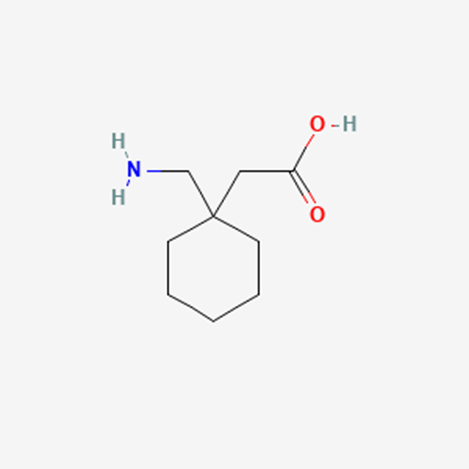
Gabapentin is classified as an anticonvulsant. The exact mechanism of action of gabapentin is unclear, but it is structurally related to gamma-aminobutyric acid (GABA), a major inhibitory neurotransmitter. The S-enantiomer of 3-isobutyl GABA (pregabalin) does not bind to GABA receptors or seem to influence GABA metabolism, making it an effective anticonvulsant.1 Evidence points toward inhibition of voltage-gated calcium channels, leading to reduced excitatory neurotransmitter release.6 Gabapentin does not seem to exhibit affinity for other common receptor sites, including sites for benzodiazepines, opiates (mu, delta, and kappa), or cannabinoid 1 receptor sites.7 The figure below shows gabapentin’s structure.8
Gabapentin 2-D Structure8

Pharmacokinetics
Gabapentin is not appreciably metabolized, and its bioavailability is not dose-proportional; instead, bioavailability declines with higher doses.7,9 Food has an effect on the rate and extent of absorption of gabapentin; however, the percentage of the effect depends on the formulation and the fat content of the food.10,11 Bioavailability of gabapentin is approximated in the table below.
Table 1
Gabapentin Bioavailability9
| Dose (mg)/day* | Approximate Bioavailability (%) |
|---|---|
| 900 mg | ~60% |
| 1200 mg | ~47% |
| 2400 mg | ~34% |
| 3600 mg | ~33% |
| 4800 mg | ~27% |
*given in 3 divided doses
Gabapentin immediate-release should be titrated. Dosing is variable based on indication and age. At steady state, it may be dosed three times a day with food having little effect on its absorption, and the dose should be adjusted in patients with impaired renal function.7 Gabapentin is renally eliminated as an unchanged drug in patients without impaired renal function. The elimination half-life of immediate-release gabapentin ranges from 5 to 7 hours.7
Gabapentin (GraliseⓇ) should be titrated to a once-daily dose.10 It should be taken with an evening meal, and the time to reach maximum plasma concentration is 8 hours, which is approximately 4-6 hours longer when compared to immediate-release gabapentin. It swells in gastric fluid and gradually releases gabapentin. Taking this formulation with food increases the rate and extent of the medication's absorption.10
Gabapentin enacarbil (HorizantⓇ) is a prodrug that is supplied as an extended-release preparation.11 After ingestion, gabapentin enacarbil is absorbed in the small intestine and converted to gabapentin.11 This process of absorption and conversion results in dose-proportional and extended exposure to gabapentin (over the range of 300 mg to 6000 mg).11 Other gabapentin formulations cannot be substituted for gabapentin enacarbil because the same daily dose yields different plasma gabapentin concentrations.11 Gabapentin enacarbil should be taken with food, as food increases the mean bioavailability. The mean bioavailability in the fed state is about 75%.11 The steady state of this formulation is reached in two days with daily administration.11,12
Other Drugs Commonly Used to Treat Similar Pain
Gabapentin is used for various pain disorders and is currently not as commonly used for the treatment of seizures. Similar drugs used for the same pain disorders are as follows: pregabalin, duloxetine, amitriptyline, and lidocaine patch.13,14
Labeled and Off-Label Uses for Gabapentin
Labeled Uses
The labeled uses of gabapentin depend on the exact formulation/brand.7,10,11
Gabapentin immediate-release capsule/tablet: Postherpetic neuralgia in adults and adjunctive therapy for partial onset seizures with and without secondary generalization, in adults and pediatric patients over the age of 3
Gabapentin (Gralise) tablet that swells in gastric fluid and gradually releases gabapentin: Postherpetic neuralgia10
Gabapentin enacarbil extended-release tablet (Horizant): Restless legs syndrome and postherpetic neuralgia in adults11
Off-Label Uses
The off-label uses of gabapentin cover a variety of different symptoms and conditions and are listed as follows:15
Acute treatment of postoperative pain
Alcohol use disorder
Diabetic neuropathy
Drug and alcohol withdrawal
Fibromyalgia
Hot flashes
Neuropathic pain
Premenstrual syndrome
Social phobia
Postoperative pain in adults and children (endorsed as a “strong recommendation, moderate-quality evidence” by the American Society of Anesthesiologists, American Society of Regional Anesthesia and Pain Medicine, and American Pain Society)16
Off-label use of gabapentin has raised important concerns, especially in light of the rise in gabapentin’s misuse.15 Off-label use reportedly accounts for up to 95% of all gabapentin prescriptions.15 Gabapentin is commonly used off-label for bipolar disorder, complex regional pain syndrome, attention deficit disorder, trigeminal neuralgia, periodic limb movement disorder of sleep, and migraine.15 As mentioned above, gabapentin’s use has been propelled in part by its availability in generic formulations and by efforts to address the opioid crisis.15
Administration and Dosage
Gabapentin is available in various formulations. Its uses, administration, and dosing differ between the brand names Neurontin (immediate-release), Gralise (gradual-release), and Horizant (extended-release).7,10,11
Immediate-release gabapentin is used for postherpetic neuralgia. Dosing starts at 300 mg once daily on day 1 and may be titrated to 1800 mg/day in three divided doses.7 For partial onset seizures, dosing depends on age. In adults and children over 12 years old, the initial dose is 300 mg orally three times daily, and it may be titrated to 600 mg three times daily if needed.7 Doses as high as 2400-3600 mg/day have been used.7 In children aged 3 to 11 years, the initial dose is 10-15 mg/kg/day, administered three times daily.7 In children aged 5 to 11 years, the goal maintenance dose is 25-35 mg/kg/day.7 The goal maintenance dose for children aged 3 to 4 years is 40 mg/kg/day. Dose titration generally occurs every three days.7
The formulation of gabapentin that swells in gastric fluid and gradually releases gabapentin is FDA-approved for the treatment of postherpetic neuralgia in adults.10 The initial dose is 300 mg by mouth once daily with the evening meal.10 The dose is gradually titrated over 15 days to a maximum of 1800 mg once daily.10 The tablets must not be chewed, crushed, or split. If discontinuing this product, it must be tapered slowly over at least 1 week.10
Gabapentin enacarbil is the only gabapentin formulation indicated for the treatment of restless legs syndrome (RLS).11 For the treatment of RLS, the dose is 600 mg once daily, at approximately 5 pm, with food.11 The manufacturer does not recommend dose increases beyond 600 mg daily, as higher doses are not associated with additional benefits, and adverse reactions are more prevalent.11 The manufacturer does not recommend this formula for patients who need to sleep during the day and stay awake at night.11 For the treatment of postherpetic neuralgia, dosing starts at 600 mg every morning for 3 days and then increases to 600 mg twice daily thereafter. Given the lack of proven additional benefit and the increased risk of adverse events, the manufacturer does not recommend increasing the dose beyond 1200 mg/day.11
Formulations and Strengths
Available forms of gabapentin are as follows:
Generic immediate-release formulations of gabapentin:7
100 mg, 300 mg, and 400 mg capsules
600 mg and 800 mg tablets
250 mg/5 mL solution
Gabapentin that swells in gastric fluid and gradually releases gabapentin:10
300 mg, 450 mg, 600 mg, 750 mg, and 900 mg extended-release tablets
Gabapentin enacarbil:11
300 mg and 600 mg extended-release tablets
Significant Warnings/Precautions
It is important to review the prescribing information for each product for comprehensive efficacy and risk-benefit information. Significant warnings and precautions are discussed next.
Drug Reaction with Eosinophilia and Systemic Symptoms
Drug Reaction with Eosinophilia and Systemic Symptoms (DRESS)/also known as Multiorgan Hypersensitivity, may occur in patients taking antiepileptic drugs, including gabapentin.7,10,11 This condition is potentially fatal or life-threatening.7,10,11 It is characterized by fever, rash, and/or lymphadenopathy, in association with hepatitis, nephritis, eosinophilia (high levels of a white blood cell type), myocarditis, or myositis resembling an acute viral infection.7,10,11
Driving and Operating Heavy Machinery
Until the patient is familiar with its effects, patients should assume that it can cause significant impairment in their ability to drive and operate heavy machinery.7,10,11 It is unknown if impairment is related to somnolence. Driving impairment’s duration after starting gabapentin is also unknown.7,9,10
Seizure from Withdrawal
Avoid abruptly discontinuing gabapentin, as this may increase seizure risk.7,10,11
Suicidal Behavior and Ideation
During analysis of 199 placebo-controlled clinical studies, patients on gabapentin were observed to have double the risk of suicidal thoughts or ideation compared to placebo.7,10,11
Dementia and Cognitive Impairment
Patients with six or more gabapentin prescriptions had an increased incidence of dementia and mild cognitive impairment.17 When stratified by age, non-elderly adults (18–64) prescribed gabapentin had over twice the risk of dementia and mild cognitive impairment compared to those not prescribed gabapentin.17 Risk increased further with prescription frequency: patients with 12 or more prescriptions had a higher incidence of dementia and mild cognitive impairment than those prescribed gabapentin 3–11 times.17 The study concluded that gabapentin prescription in adults with chronic low back pain is associated with increased risk of dementia and cognitive impairment, particularly in non-elderly adults.17 Physicians or other primary care providers should monitor cognitive outcomes in patients prescribed gabapentin.17
Adverse Reactions
Some common adverse effects of gabapentin include dizziness, drowsiness, tiredness, peripheral edema, tremors, and difficulty with coordination. Serious adverse effects are generally uncommon in patients taking gabapentin.7,10,11
Drug Interactions
Central Nervous System (CNS) depressants may have additive effects with gabapentin and should be used with caution.7,10,11 Morphine increases the levels of gabapentin in the blood. Patients should be carefully observed for signs of CNS depression, including somnolence, sedation, and respiratory depression. Doses of either gabapentin or morphine should be reduced based on the effect and shared decision-making.7,10,11 Hydrocodone also increases gabapentin levels in the blood.7,10,11 Antacids containing aluminum and magnesium hydroxide reduce the bioavailability of immediate-release gabapentin by approximately 20% when taken simultaneously and by about 5-10% when taken 2 hours apart.7,10,11 The prescribing information recommends taking the medication at least two hours post-antacid administration.7,10,11
Specific Populations
Pregnancy – Studies in mice demonstrated that gabapentin is developmentally toxic when given to pregnant animals at clinically relevant doses.7,10,11 The prescribing information states that the clinical significance of these findings is unknown.7,10,11 However, a 2025 systematic review of the animal studies reported that there are concerns about the safety of using gabapentin during pregnancy. The authors recommend that, in cases where gabapentinoids cannot be avoided during pregnancy, clinicians should carefully evaluate and balance the benefits and risks for the mother and fetus/infant.18 Providers should recommend women who are taking gabapentin during pregnancy to enroll in the North American Antiepileptic Drug (NAAED) Pregnancy Registry by calling 1-888-233-2334. Additional information on the registry can be found at the following link: http://www.aedpregnancyregistry.org/.7,11
Lactation - Gabapentin manufacturers vary in their lactation information. The prescribing information for HORIZANTⓇ states that it is not known whether gabapentin derived from HORIZANT is secreted in human milk; however, other gabapentin products report that gabapentin is secreted into human milk following oral administration.7,10 The effect on the nursing infant is unknown, and should only be considered if the benefits of breastfeeding clearly outweigh the risks to the infant.7,10,11
Pediatric Use - Gabapentin manufacturers vary in their pediatric information. The safety and efficacy of immediate-release gabapentin in patients under 3 years of age have not been established for partial-onset seizures.7 Safety and effectiveness in pediatric patients have not been studied in the gradual- or extended-release formulation.10,11 Gabapentin has not been studied for post-herpetic neuralgia in pediatrics.7,10,11
Geriatric Use - The manufacturer's information varies for geriatric use. If used in elderly patients, prescribers should dose gabapentin cautiously, starting at the low end of the dosing range and titrating slowly.7 There was a larger treatment effect in patients 75 years of age and older compared to younger patients who received the same dosage of immediate-release gabapentin.7
Renal Impairment – Dose reduction is recommended in patients with compromised renal function or undergoing hemodialysis.7,10,11
Lookalike/Soundalike Concerns
The Institute for Safe Medication Practices (ISMP) lists gemfibrozil as a drug that may be confused with gabapentin.19
Storage and Handling
Pharmacies should store all formulations of gabapentin, except for the oral solution, at room temperature. The manufacturer recommends storing the oral solution in the refrigerator.7,10,11
Postmarketing Clinical Studies
Postherpetic Neuralgia
Research has proven that gabapentin is safe and effective for postherpetic neuralgia pain through controlled, randomized trials.20,21 Postherpetic neuralgia is the most common complication of herpes zoster infection.22 By intent-to-treat analysis, subjects receiving gabapentin had a statistically significant reduction in average daily pain score from 6.3 to 4.2 points compared with a change from 6.5 to 6.0 points in subjects randomized to receive placebo (P<.001).19 Secondary measures of pain, as well as changes in pain and sleep interference, showed improvement with gabapentin (P<.001).20
Restless Legs Syndrome
In 2022, a meta-analysis of 24 randomized controlled trials (RCTs) involving 1,252 patients found that gabapentin is the most effective pharmacological treatment for restless legs syndrome in patients with end-stage renal disease.23 In 2017, another meta-analysis of 24 RCTs and 5137 patients showed that gabapentin was equivalent to pregabalin and rotigotine, and gabapentin was more effective than ropinirole in treating restless legs syndrome.24
Diabetic Neuropathy
Gabapentin has been successfully used to treat painful peripheral diabetic neuropathy, but its effectiveness and its place in the therapy of this disease have not been completely determined.25 Controlled trials have shown that gabapentin can provide effective relief from pain caused by diabetic peripheral neuropathy, and it is considered by some to be a first-line choice for the condition.25-27
Fibromyalgia
A small pilot study with 29 subjects divided into three groups: 1) patients receiving gabapentin only, 900 mg per day, 2) patients receiving gabapentin and osteopathic manipulative medicine treatments, and 3) patients receiving osteopathic manipulative medicine treatments only.28 Researchers treated subjects for 8 weeks. The gabapentin-only group had no significant relief from pain or in their functional status (i.e., energy level, mood, work performance). The gabapentin plus the osteopathic treatments and the osteopathic treatment only groups had significant relief from pain but no improvement in functional status.28
Mood Disorders/Depression/Anxiety
Three RCTs found that gabapentin is likely ineffective for treating bipolar disorder. These conflicting results are complicated due to variability in gabapentin dosing between trials, heterogeneity in diagnoses, evaluating efficacy as monotherapy or adjunctive therapy, and differing primary outcomes. Providers have also prescribed gabapentin for depression and anxiety. Although gabapentin appears to provide benefit for some anxiety disorders, no trials exist for gabapentin use in generalized anxiety disorder.29 It should be noted that anxiety is also listed as an adverse effect in post-marketing trials and reports, so patients should be monitored when gabapentin is written for these indications.7
Dystonia in Children
There are no RCTs for pediatric dystonia. A study analyzing real-world prescribing practices for pediatric dystonia in the United States used data from 2014 to 2019.30 This study included 4010 pediatric patients with dystonia. Excluding benzodiazepines, gabapentin was the third most frequently prescribed medication. Medical comorbidities may influence these prescribing practices.30
Gabapentin Risk-Benefit Analysis
The effect of gabapentin on a patient may be positive or negative, sustained or temporary, depending on its interactions with various receptors and cell types.31 This means that gabapentin may not be as benign as once thought, especially with off-label uses.15 As mentioned above, there may be an increased risk of dementia and cognitive impairment, particularly in non-elderly adults who used gabapentin long-term. Clinicians may need to be cautious with patients with high neuropathic pain levels who are maintained on long‐term gabapentin. This may cause more harm than good. Further studies are needed to understand where a long‐term prescription is warranted and where it is not.31
Gabapentin Misuse
As prescriptions have increased, gabapentin’s misuse has significantly grown. Patients misuse gabapentin with illicit opioids, looking to potentiate the psychoactive effects. Other motivations for misusing gabapentin include the following:32,33
opioid withdrawal management
recreational purposes
self-detoxification from opioids
self-management of mental health or pain-related stress
Patients with opioid use disorder are at the highest risk for misusing gabapentin.34 Some states have categorized gabapentin as a Schedule V controlled substance, and some states require that prescriptions of the drug be monitored through the state’s prescription monitoring program.33 Despite its misuse, gabapentin has not been listed as a controlled substance under the federal Controlled Substances Act.33 Because of the variations in state laws governing gabapentin’s prescribing rules, healthcare providers must remain up to date on the laws of the state in which they are licensed to determine gabapentin’s status.
Gabapentin is listed in the FDA Drug Safety Communication publication as a drug that can contribute to serious breathing problems when used with opioids.35 Healthcare professionals should counsel patients taking gabapentin on the importance of opioid overdose reversal agents, such as naloxone and nalmefene.35 Clinicians should regularly re-evaluate the benefit-risk profile for any patient taking opioid pain medicines for more than a few days.35
Gabapentin Overdose
Few cases of gabapentin overdose (as the sole cause of death) have been reported in the medical literature.36 A three-year retrospective study from 2016 to 2018 evaluated post-mortem cases positive for gabapentin. The blood concentration was found to be above the typical therapeutic range of gabapentin in a third of the cases. In 22% of the cases, gabapentin was considered to have contributed to fatal poisoning (with or without other drugs or alcohol).36
In 2020 alone, the American Association of Poison Control Centers (AAPCC) detected gabapentin in 135 fatalities compared to 168 fatalities spanning four years (between 2012 and 2016). According to the AAPCC’s National Poison Data System, total exposure calls due to gabapentin remained similar from 2017 to 2022 (around 21,000 calls).3
Symptoms of Gabapentin Overdose
In overdose cases, double vision, slurred speech, drowsiness, lethargy, and diarrhea were observed.7,10,11 All patients recovered with supportive care.3 Coma, resolving with dialysis, has been reported in patients with chronic renal failure who were treated with gabapentin.7,10,11
KEY TAKEAWAY If overexposure to gabapentin occurs, call the poison control center at 1-800-222-1222. |
|---|
In many cases, the effects of a gabapentin overdose may be resolved in an outpatient setting; however, it can also have serious consequences and may even lead to death.36-39
Special attention should be given to patients with decreased renal function.40 Patients with decreased renal function or those on dialysis are more likely to present with gabapentin toxicity due to decreased clearance.40
Seizures rarely occur in a gabapentin overdose, but they are usually self-limiting, short, single episodes lasting less than 24 hours.40 More severe clinical presentations, occurring in less than 5% of patients, “include coma, bradycardia, hypotension, and respiratory failure….”40 The following are other recorded gabapentin overdose symptoms: 41,42
Ataxia
Dizziness
Drowsiness
Emotional lability
Increased risk of suicide
Nausea
Syncope
Tremor
Weakness
In a reported case, a 39‐year‐old male patient was hospitalized with symptoms of an “altered mental status and acute kidney injury secondary to rhabdomyolysis.”38 Researchers determined the patient did not previously have kidney function impairment and concluded symptoms were due to a rare case of gabapentin overdose that caused severe rhabdomyolysis and acute kidney injury, likely due to acute tubular necrosis.38
Risks Associated with Prescribing Gabapentin with Opioids
Patients prescribed gabapentin and opioids may be at higher risk of opioid-related death.37 This risk was greater at higher prescription doses of gabapentin.37 Clinicians co-prescribing opioids and gabapentin should proceed with caution. Clinicians should determine whether combining these drugs is necessary; if so, the patient should be monitored closely and doses adjusted accordingly.37
Overdose Treatment
There is no specific treatment for a gabapentin overdose, and there is no antidote for gabapentin poisoning.40,43 Patients should be treated with standard, supportive care and discontinuation of gabapentin.39 Gabapentin can be removed by hemodialysis.7,10,11 It may be indicated by the patient’s clinical state or in patients with significant renal impairment.7,10,11 Treatments are directed at the clinical effects of a gabapentin overdose as described above.40,43 As mentioned above, special attention is required for patients with decreased renal function.40
Withdrawal from Gabapentin
Abrupt discontinuation of gabapentin should be avoided if possible. Gabapentin should generally be tapered over a minimum of one week.7,10,11 The most frequent symptoms reported with gabapentin withdrawal are anxiety, insomnia, nausea, pain, and sweating.7,10,11 Other symptoms may include gastrointestinal upset, hypertension, palpitations, and tremor.40,44 A patient may experience delirium, respiratory failure, severe abdominal pain, or status epilepticus from gabapentin withdrawal, but this is uncommon.40 Withdrawal symptoms typically occur within 12 hours to 7 days following discontinuation of gabapentin.44
Case Study: Gabapentin Withdrawal
A case study involving a 75-year-old woman with a 20-year history of fibromyalgia and postherpetic neuralgia was reported.45 Her medication regimen included gabapentin 1800 mg/day as well as sertraline and lorazepam for recurrent depression.45 This patient was admitted for recurrent falls thought to be caused by her psychotropic agents. Gabapentin was discontinued by tapering over 10 days, with no complaints until day 11, when the patient had mild abdominal pain, high blood pressure, and a headache.45 The following day, the patient reported chills, cold sweats, nausea, and insomnia.45
Pause and Ponder Which medication is likely to contribute to the new onset of chills, sweats, nausea, and insomnia? |
|---|
Initially, the symptoms were thought to be caused by the taper of lorazepam, which started the day after the gabapentin taper was initiated. Symptoms failed to improve despite restarting lorazepam.45
Gabapentin withdrawal was suspected when symptoms did not improve with the reinitiation of lorazepam; therefore, gabapentin was reintroduced.45 Upon reintroducing gabapentin, blood pressure normalized, diaphoresis resolved, and the patient had partial relief of anxiety and abdominal pain.45 Despite these symptom improvements, insomnia continued. Gabapentin was increased to 1,400 mg/day.45
Pause and Ponder What is a possible reason gabapentin was increased to a lower dose than the initial 1800 mg/day? |
|---|
The authors revealed that the new 1400 mg/day dose was due to renal impairment. Her symptoms completely resolved within three days.45
The authors discussed that gabapentin withdrawal was reported infrequently and may be due to underlying conditions or age, which predispose a patient to withdrawal symptoms.45 Withdrawal symptoms may be due to age-related reduction of GABA-mediated cortical inhibition or alterations in the expression of glutamate receptors.45 Since gabapentin’s mechanism of action is poorly understood, all patients should be monitored for withdrawal symptoms. This is especially important in patients of advanced age or those who have been taking gabapentin for an extended period of time.45
Pause and Ponder What counseling points should Mr. L. receive about common side effects and safety? |
|---|
Summary
Gabapentin is a GABA analog that is FDA-approved to treat partial seizures, postherpetic neuralgia, and restless legs syndrome. It is prescribed for off-label purposes. Healthcare professionals should always refer to the FDA-approved labeling for comprehensive safety and efficacy information. Remain aware of state-specific documentation requirements, including prescription drug monitoring programs and whether Schedule V status applies. Common adverse effects from gabapentin include drowsiness, dizziness, and peripheral edema. There is no antidote for a gabapentin overdose, and treatment should consist of symptomatic and supportive care. Upon recommended gradual tapering and discontinuation of gabapentin, patients should be monitored for withdrawal symptoms.
References
Chincholkar M. Gabapentinoids: pharmacokinetics, pharmacodynamics and considerations for clinical practice. Br J Pain. 2020;14(2):104-114. doi:10.1177/2049463720912496
Fukada C, Kohler JC, Boon H, Austin Z, Krahn M. Prescribing gabapentin off label: Perspectives from psychiatry, pain and neurology specialists. Can Pharm J (Ott). 2012;145(6):280-284.e1. doi:10.3821/145.6.cpj280
Drug Enforcement Administration Diversion Control Division. Gabapentin. Published March 2025. Accessed September 19, 2025. https://www.deadiversion.usdoj.gov/drug_chem_info/gabapentin.pdf
Mattson CL, Chowdhury F, Gilson TP. Notes from the Field: Trends in Gabapentin Detection and Involvement in Drug Overdose Deaths - 23 States and the District of Columbia, 2019-2020. MMWR Morb Mortal Wkly Rep. 2022;71(19):664-666. Published 2022 May 13. doi:10.15585/mmwr.mm7119a3
McAnally H, Bonnet U, Kaye AD. Gabapentinoid Benefit and Risk Stratification: Mechanisms Over Myth. Pain Ther. 2020;9(2):441-452. doi:10.1007/s40122-020-00189-x
Toce MS, Chai PR, Burns MM, Boyer EW. Pharmacologic Treatment of Opioid Use Disorder: a Review of Pharmacotherapy, Adjuncts, and Toxicity. J Med Toxicol. 2018;14(4):306-322. doi:10.1007/s13181-018-0685-1
Neurontin. Prescribing Information. Parke-Davis Div of Pfizer Inc. Updated July 12, 2022. Accessed September 16, 2025. https://dailymed.nlm.nih.gov/dailymed/drugInfo.cfm?setid=ee9ad9ed-6d9f-4ee1-9d7f-cfad438df388
National Center for Biotechnology Information[WA1] . PubChem Compound Summary for CID 3446, Gabapentin. Updated 2024. Accessed September 17, 2025. https://pubchem.ncbi.nlm.nih.gov/compound/Gabapentin#2D-Structure
US Food and Drug Administration. Neurontin® (gabapentin) Capsules Neurontin® (gabapentin) Tablets Neurontin®(gabapentin) Oral Solution. FDA. Revised April 2009. Accessed January 16, 2026. https://www.accessdata.fda.gov/drugsatfda_docs/label/2009/020235s041,020882s028,021129s027lbl.pdf#:~:text=Oral%20Bioavailability:%20Gabapentin%20bioavailability%20is%20not%20dose,mg/day%20given%20in%203%20divided%20doses%2C%20respectively
GRALISE- gabapentin tablet, film coated GRALISE- gabapentin kit. Prescribing Information. Almatica Pharma LLC. Updated May 1, 2025. Accessed September 16, 2025. https://dailymed.nlm.nih.gov/dailymed/drugInfo.cfm?setid=466273b1-c9fc-3930-c94b-aa11394d5140
HORIZANT- gabapentin enacarbil tablet, extended release.Prescribing Information. Azurity Pharmaceuticals, Inc. (formerly Arbor Pharmaceuticals). Updated April 28, 2025. Accessed September 16, 2025. https://dailymed.nlm.nih.gov/dailymed/drugInfo.cfm?setid=4c486fc7-c8c4-4c6c-b30c-366dabaeaadd
Lal R, Ellenbogen A, Gidal B. Interindividual Variability in the Bioavailability of Gabapentin Enacarbil Extended Release in Healthy Adults: An Analysis of Data From 6 Phase I Studies. Ther Drug Monit. 2022;44(3):448-454. doi:10.1097/FTD.0000000000000935
Cohen SP, Vase L, Hooten WM. Chronic pain: an update on burden, best practices, and new advances. Lancet. 2021;397(10289):2082-2097. doi:10.1016/S0140-6736(21)00393-7
Liebschutz J, Beers D, Lange A. Managing Chronic Pain in Patients with Opioid Dependence. Curr Treat Options Psychiatry. 2014;1(2):204-223. doi:10.1007/s40501-014-0015-4
Peckham AM, Evoy KE, Ochs L, Covvey JR. Gabapentin for Off-Label Use: Evidence-Based or Cause for Concern?. Subst Abuse. 2018;12:1178221818801311. Published 2018 Sep 23. doi:10.1177/1178221818801311
Li Y, Swallow J, Robbins C, Caird MS, Leis A, Hong RA. Gabapentin and intrathecal morphine combination therapy results in decreased oral narcotic use and more consistent pain scores after posterior spinal fusion for adolescent idiopathic scoliosis. J Orthop Surg Res. 2021;16(1):672. Published 2021 Nov 15. doi:10.1186/s13018-021-02525-z
Eghrari NB, Yazji IH, Yavari B, Van Acker GM, Kim CH. Risk of dementia following gabapentin prescription in chronic low back pain patients. Reg Anesth Pain Med. Published online July 10, 2025. doi:10.1136/rapm-2025-106577
Beau AB, Mo J, Moisset X, Bénévent J, Damase-Michel C. Systematic review of gabapentinoid use during pregnancy and its impact on pregnancy and childhood outcomes: A ConcePTION study. Therapie. 2025;80(4):378-416. doi:10.1016/j.therap.2024.10.049
Institute for Safe Medication Practices (ISMP). ISMP List of Confused Drug Names. ISMP. Updated through June 2024. Accessed September 19, 2025. https://online.ecri.org/hubfs/ISMP/Resources/ISMP_ConfusedDrugNames.pdf
Rowbotham M, Harden N, Stacey B, Bernstein P, Magnus-Miller L. Gabapentin for the treatment of postherpetic neuralgia: a randomized controlled trial. JAMA. 1998;280(21):1837-1842. doi:10.1001/jama.280.21.1837
Rice ASC, Maton S; Postherpetic Neuralgia Study Group. Gabapentin in postherpetic neuralgia: a randomised, double blind, placebo controlled study. Pain. 2001;94(2):215-224. doi:10.1016/S0304-3959(01)00407-9
Harbecke R, Cohen JI, Oxman MN. Herpes Zoster Vaccines. J Infect Dis. 2021;224(12 Suppl 2):S429-S442. doi:10.1093/infdis/jiab387
Chen JJ, Lee TH, Tu YK, et al. Pharmacological and non-pharmacological treatments for restless legs syndrome in end-stage kidney disease: a systematic review and component network meta-analysis. Nephrol Dial Transplant. 2022;37(10):1982-1992. doi:10.1093/ndt/gfab290
Iftikhar IH, Alghothani L, Trotti LM. Gabapentin enacarbil, pregabalin and rotigotine are equally effective in restless legs syndrome: a comparative meta-analysis. Eur J Neurol. 2017;24(12):1446-1456. doi:10.1111/ene.13449
Price R, Smith D, Franklin G, et al. Oral and Topical Treatment of Painful Diabetic Polyneuropathy: Practice Guideline Update Summary: Report of the AAN Guideline Subcommittee. Neurology. 2022;98(1):31-43. doi:10.1212/WNL.0000000000013038
Pop-Busui R, Boulton AJ, Feldman EL, et al. Diabetic Neuropathy: A Position Statement by the American Diabetes Association. Diabetes Care. 2017;40(1):136-154. doi:10.2337/dc16-2042
Pop-Busui R, Ang L, Boulton AJM, et al. Diagnosis and Treatment of Painful Diabetic Peripheral Neuropathy. Arlington (VA): American Diabetes Association; February 2022.
Marske C, Bernard N, Palacios A, et al. Fibromyalgia with Gabapentin and Osteopathic Manipulative Medicine: A Pilot Study. J Altern Complement Med. 2018;24(4):395-402. doi:10.1089/acm.2017.0178
Berlin RK, Butler PM, Perloff MD. Gabapentin Therapy in Psychiatric Disorders: A Systematic Review. Prim Care Companion CNS Disord. 2015;17(5):10.4088/PCC.15r01821. Published 2015 Oct 22. doi:10.4088/PCC.15r01821
Davis SPW, Kane N, Botteron HE, Gelineau-Morel R. National Prescribing Practices for Pediatric Dystonia Among Providers in the United States. Clin Transl Sci. 2025;18(2):e70171. doi:10.1111/cts.70171
Russo M, Graham B, Santarelli DM. Gabapentin-Friend or foe?. Pain Pract. 2023;23(1):63-69. doi:10.1111/papr.13165
Ellis MS, Buttram ME, Kasper ZA. Nonmedical use of gabapentin and opioid agonist medications in treatment-seeking individuals with opioid use disorder. Drug Alcohol Depend. 2022;234:109400. doi:10.1016/j.drugalcdep.2022.109400
Campbell LS, Coomer TN, Jacob GK, Lenz RJ. Gabapentin controlled substance status. J Am Pharm Assoc (2003). 2021;61(4):e218-e224. doi:10.1016/j.japh.2021.01.025
Evoy KE, Sadrameli S, Contreras J, Covvey JR, Peckham AM, Morrison MD. Abuse and Misuse of Pregabalin and Gabapentin: A Systematic Review Update. Drugs. 2021;81(1):125-156. doi:10.1007/s40265-020-01432-7
US Food and Drug Administration. FDA Drug Safety Communication. FDA. 07-31-2025. Accessed January 14, 2026. https://www.fda.gov/media/187944/download?attachment#:~:text=Be%20aware%20that%20overdose%20risk,opioid%20pain%20medicine%20doses%2C%20and&text=The%20Medication%20Guide%20explains%20the,to%20know%20about%20the%20medicine
Kriikku P, Ojanperä I. Pregabalin and gabapentin in non-opioid poisoning deaths. Forensic Sci Int. 2021;324:110830. doi:10.1016/j.forsciint.2021.110830
Gomes T, Juurlink DN, Antoniou T, Mamdani MM, Paterson JM, van den Brink W. Gabapentin, opioids, and the risk of opioid-related death: A population-based nested case-control study. PLoS Med. 2017;14(10):e1002396. Published 2017 Oct 3. doi:10.1371/journal.pmed.1002396
Qiu X, Tackett E, Khitan Z. A case of gabapentin overdose induced rhabdomyolysis requiring renal replacement therapy. Clin Case Rep. 2019;7(8):1596-1599. Published 2019 Jul 11. doi:10.1002/ccr3.2302
Wills B, Reynolds P, Chu E, et al. Clinical outcomes in newer anticonvulsant overdose: a poison center observational study. J Med Toxicol. 2014;10(3):254-260. doi:10.1007/s13181-014-0384-5
Bouchard J, Yates C, Calello DP, et al. Extracorporeal Treatment for Gabapentin and Pregabalin Poisoning: Systematic Review and Recommendations From the EXTRIP Workgroup. Am J Kidney Dis. 2022;79(1):88-104. doi:10.1053/j.ajkd.2021.06.027
Finlayson G, Chavarria M, Chang S, et al. Gabapentin in Mixed Drug Fatalities: Does this Frequent Analyte Deserve More Attention?. Acad Forensic Pathol. 2017;7(1):99-111. doi:10.23907/2017.012
Lehmann K, Diab S, Meyer TM, Kielstein JT, Eden G. More Drug Monitoring and Less CT Scans of the Brain: Gabapentin Overdose in Two Peritoneal Dialysis Patients. Case Rep Nephrol Dial. 2022;12(3):145-149. Published 2022 Sep 26. doi:10.1159/000525922
Smith BH, Higgins C, Baldacchino A, Kidd B, Bannister J. Substance misuse of gabapentin. Br J Gen Pract. 2012;62(601):406-407. doi:10.3399/bjgp12X653516
Mersfelder TL, Nichols WH. Gabapentin: Abuse, Dependence, and Withdrawal. Ann Pharmacother. 2016;50(3):229-233. doi:10.1177/1060028015620800
Mah L, Hart M. Gabapentin withdrawal: case report in an older adult and review of the literature. J Am Geriatr Soc. 2013;61(9):1635-1637. doi:10.1111/jgs.12427
DISCLAIMER
The information provided in this course is general in nature, and it is designed solely to provide participants with continuing education credit(s). This course and materials are not meant to substitute for the independent, professional judgment of any participant regarding that participant’s professional practice, including but not limited to patient assessment, diagnosis, treatment, and/or health management. Medical and pharmacy practices, rules, and laws vary from state to state, and this course does not cover the laws of each state; therefore, participants must consult the laws of their state as they relate to their professional practice.
Healthcare professionals must consult their employer, healthcare facility, hospital, or other organization for guidelines, protocols, and procedures to follow. The information provided in this course does not replace those guidelines, protocols, and procedures, but is for academic purposes only, and this course’s limited purpose is for the completion of continuing education credits.
Participants are advised and acknowledge that information related to medications, their administration, dosing, contraindications, adverse reactions, interactions, warnings, precautions, or accepted uses is constantly changing. Any person taking this course understands that such a person must make an independent review of medication information before any patient assessment, diagnosis, treatment and/or health management. Any discussion of off-label use of any medication, device, or procedure is informational only, and such uses are not endorsed hereby.
Nothing contained in this course represents the opinions, views, judgments, or conclusions of RxCe.com LLC. RxCe.com LLC is not liable or responsible to any person for any inaccuracy, error, or omission with respect to this course or course material.
© RxCe.com LLC 2026: All rights reserved. No reproduction of all or part of any content herein is allowed without the prior, written permission of RxCe.com LLC.
RxCe.com
© RxCe.com LLC 2025: All rights reserved.